Who Cares: Robots, Ethics, and the Future of Geriatric Care in America

What does a society owe to its eldest members, and how can something other than human fulfill that obligation? As robotic companions capable of lifting patients, detecting falls, and simulating emotional connection move from research labs into real care facilities, the question is no longer hypothetical. This paper weighs whether deploying them at scale is something America can do with integrity, interrogating what happens to human dignity when care becomes automated, whether access to these technologies will benefit the vulnerable or deepen existing inequalities, and what this step towards integrated technology could mean for mankind.
Table of Contents
Introduction
Background Information
Geriatric Care
Compassion Fatigue
The Loneliness Epidemic
Artificial Intelligence
Robotic Applications Internationally
Ethical Considerations
Autonomy
Justice
Virtues of Care
Consequentialism
Conclusion
Featured Image Author: freepik
Introduction:
My great-uncle lived alone in the same apartment he and my great-aunt had shared for over fifty years. He was proud and stubbornly independent well into his eighties. On an ordinary afternoon in December of 2023, he suffered a massive stroke. There was no one to hear him fall, no one to notice his absence from the park the next morning. It was nearly four days before he was discovered on the floor of his bathroom. Those four days haunt me still, a preventable end that left me wondering how many people will slip away in the loneliness of their own homes.
Few things feel more intensely human than the act of caring for another person. However, this familiar act is becoming a profound challenge as the elderly population is experiencing explosive, record-breaking growth. Between 2010 and 2020, the U.S. population aged 65 and over experienced its largest and fastest growth in any decade since the 1880s, increasing by 15.5 million people to reach 55.8 million (1). This “Silver Tsunami” is more than a temporary spike; the U.S. Census Bureau projects that older adults will outnumber children for the first time in U.S. history by 2034 (Caplan).
(1) For the purpose of this paper, I will refer to the definition of geriatric care as a specialized medical, nursing, and social support field focused on optimizing the health, independence, and quality of life for older adults, 65 and older, with complex, chronic, or frailty-related conditions (American Geriatrics Society).

Care facilities face strain on resources, most pressingly human presence, partly due to a phenomenon known as compassion fatigue. In addition, the 21st century introduced an unprecedented challenge that materialized as a result of an increasingly online world: the loneliness epidemic. These realities of declining geriatric care and health force us to ask the omnipresent, challenging bioethical question: Just because we can, should we holistically enable robotic deployment in our geriatric healthcare system?
This project will examine the ethicality of integrating autonomous robotic systems to combat these challenges in the United States, and the core of this research is to determine whether autonomous care robots can ethically supplement human caregivers, and to what extent, in geriatric care, particularly when they stimulate emotional companionship. Using virtue ethics and the bioethical principles of autonomy and justice to evaluate the moral dimensions of a robot, and a consequentialist framework to assess the policy implications of deploying it at scale, this paper argues that no single ethical lens is sufficient, and that their convergence, or failure to converge, is itself the finding. At stake is not only safety and efficiency for patients, but the moral value of authentic human interaction and the implications on interpersonal relationships within our healthcare system as technology advances.
Background Information
Geriatric Care
The moral imperative to care for the aged is rooted in the foundational ethics of ancient civilizations, established long before formalized medical systems. In many ancient societies, caring for elders was tied to the preservation of communal wisdom, oral history, and spiritual lineage. For example, in Ancient Greece, the concept of gerousia (a council of elders) reflected societal respect. At the same time, the duty of care was an unwritten “natural law” of the household, or oikos. Similarly, Ancient Roman law emphasized pietas, a sacrificial devotion to parents that served as the glue for social stability (“How Did the Ancient Romans”). These ancient origins establish care as a reciprocal “intergenerational contract” in which the preservation and reverence of an elder’s life is essential to the continuity of the community itself.

The transition from local, familial support to centralized, policy-led geriatric care was catalyzed by the socioeconomic upheaval of the Industrial Revolution, as populations migrated from rural farms to urban centers. This created a "care vacuum," as the elderly could no longer rely on the physical proximity of kin (Jecker 37). Consequently, the burden of support shifted from the "private house" to the "public state," transforming care from an act of family love into a regulated public utility, necessitated by a society that could no longer sustain the elderly through community bonds alone (Wong et al. 2). In the United States, the first major step toward government-led elder care was the Civil War Pension system. Originally intended to support disabled veterans, the program was radically expanded in the late 19th century to cover nearly all elderly Union veterans and their widows, regardless of whether their disabilities were war-related. By 1894, these pensions represented over 40% of the entire federal budget, effectively serving as the nation’s first massive social security program and establishing the precedent that the federal government was responsible for the economic survival of its aging citizens (“Historical Background and Development of Social Security”). Parallel to early government aid, the 19th century saw the rise of specialized private non-profit "Old Age Homes." Founded by religious or ethnic organizations, these were intended to rescue "worthy" individuals from the disgrace of the public "almshouses" or "poorhouses," where the elderly were often housed alongside the destitute and mentally ill (Jecker 38). These institutions represented the first "clinicalization" of aging, where care began to be standardized and professionalized outside of a family setting, setting the architectural and social stage for the modern nursing home.
Signed by President Franklin D. Roosevelt during the Great Depression, the Social Security Act of 1935 created the Old-Age Assistance program. It provided the first guaranteed federal income for the elderly, drastically reducing the poverty rate among the aged and allowing seniors a measure of autonomy by providing the financial means to live independently (“Social Security Act”). The Hill-Burton Act of 1954 provided federal grants for the construction of healthcare facilities. Its 1954 amendments specifically targeted the creation of "chronic disease hospitals" and skilled nursing homes, physically building the infrastructure of modern elder care and mandating hospital-like standards (Jecker 40).

As part of the "Great Society," Medicare and Medicaid of 1965 became the definitive pillars of geriatric care. Medicare provided universal health insurance for those over 65, while Medicaid became the primary payer for long-term nursing home care. These policies effectively "de-commodified" senior healthcare, making the government the primary stakeholder and regulator of geriatric life (Liedo et al. 7).
Compassion Fatigue
Despite this robust policy framework, the current system faces a systemic collapse due to the "Silver Tsunami." The number of older Americans in need of individual attention has risen substantially, and as a result, there are more family caregivers and professional caregivers alike who are caring for older relatives, clients, and patients daily, leading to what is known as compassion fatigue.

Compassion fatigue is defined by the Mayo Clinic as a form of psychological stress that arises from the emotional and physical demands of caring for others. This fatigue, prevalent in today's healthcare workers, is a direct consequence of a system that prioritizes efficiency over emotional presence (Tanioka et al. 2). Here the problem lies in how to mitigate the shortcomings of a system constructed upon an expected delivery of consistent standard of care from human players, when it is clear that the capabilities of humans only stretch so far. The psychological toll of chronic understaffing and high-acuity care often leads to a state of emotional withdrawal. In a study on the psychological process of nurse burnout, one practitioner described the internal collapse of their professional empathy, stating: "I found myself wanting to do some things but simply did not have the time and energy to do them. I began to care less for my patients" (Zhang et al., “Clinical Nurses’” 6). This phenomenon is not an isolated occurrence but a systemic crisis within the profession. Research indicates that compassion fatigue can strike any individual at any point in their career. Furthermore, a meta-analysis encompassing 21 different studies revealed that the condition is widespread among clinical nurses, with a pooled prevalence rate of up to 52.55%, meaning that across the 21 studies analyzed, roughly half of all clinical nurses surveyed demonstrated convincing symptoms of compassion fatigue at the time of data collection (Zhang et al., “Extent” 2). This rate is significantly higher than burnout rates recorded in earlier decades of nursing research citing more moderate levels of approximately 35% (Mohr).
The Loneliness Epidemic
The Loneliness Epidemic is a term coined to describe another facet of modern-day society that is progressively diminishing geriatric health; in this case, the root cause is the age of technology and social media. Loneliness is now clinically recognized as a major determinant of health, rivaling smoking and obesity in mortality risk (National Academies of Sciences, Engineering, and Medicine). COVID-19 and social media have made it worse in an increasingly online society; technology not only draws the elderly in but also limits the attention they receive from community members, increasing vulnerability and reducing real interaction. The pandemic served as a catalyst for digital reliance, yet research suggests that the motive for technology use is correlated with the outcome. Those who use social media specifically for "maintaining contact" or relationship maintenance actually experience

higher levels of loneliness than those using it for other reasons. For these individuals, virtual contact is a "poor substitute for face-to-face contact," leading to a deeper sense of loneliness when the digital interaction fails to provide the expected intimacy (Bonsaksen et al. 9). This psychological phenomenon is especially relevant when it comes to considering other forms of alternatives for face-to-face social interaction as well. In addition, “social" media often hinders rather than promotes social well-being. Increased time spent on platforms such as Facebook, Instagram, X, Reddit, and more is associated with higher levels of loneliness. This may be due to "social media fatigue" or the perception of others' curated "joyful" content, which can accelerate one's own sense of distress and isolation (Bonsaksen et al. 8). These combined factors contribute to an unhealthy immersion that impacts health beyond physical factors. In many cases, emotional wellbeing can have an even greater impact on an individual's long term health, leading to innovators considering solutions for more holistic modes for geriatric care.
What emerges from the history of geriatric care is a pattern of reactive accommodation: each structural reform in American elder care, from Civil War pensions to Medicare, arrived in response to a system already in crisis, not as a proactive commitment. The care infrastructure established over two centuries of policy is now collapsing under the combined weight of demographic surge, compassion fatigue among an overstretched workforce, and the underlying devastation of a loneliness epidemic. The individuals most at risk are not statistics; they are people like my great-uncle, living alone in homes full of memory and invisible to a reactive and fragmented system of geriatric care defined by our modern age. It is within this context of structural failure and human cost that artificial intelligence enters the conversation, as a prospective response to this emergency.
Artificial Intelligence:
Artificial Intelligence (AI) refers to computational systems designed to perform tasks that typically require human cognitive abilities, such as learning, pattern recognition, reasoning, decision-making, and the ability to understand natural language (“Artificial Intelligence, N.”). Unlike traditional software, which follows explicitly programmed instructions, AI systems are capable of adapting their behavior based on data inputs and feedback, rather than simply pulling from an array of predetermined outputs. In medical and caregiving contexts, AI is increasingly defined not merely as an analytical tool, but as an autonomous or semi-autonomous agent that can interact with humans, make recommendations, and in some cases act independently within predefined constraints.
The conceptual origins of AI date back to the mid-twentieth century, particularly the 1956 Dartmouth Conference, where computer scientist John McCarthy formally coined the term “artificial intelligence” (Morales Barroso). Early AI research focused on symbolic reasoning and rule-based systems, operating under the assumption that human intelligence could be replicated through logical rules. Early “expert systems” like MYCIN, developed at Stanford University, began assisting in blood infection diagnosis (Copeland). These systems achieved limited success due to computational constraints and the difficulty of encoding real-world complexity. During the late twentieth century, AI research shifted toward data-driven approaches. Advances in computing power, storage capacity, and statistical modeling enabled the development of machine learning algorithms that could improve performance through experience rather than explicit programming. By the early 2000s, the rise of the internet and digitized records further accelerated AI development, allowing AI to train on unprecedented volumes of data. These advances laid the groundwork for modern medical caregiving applications.
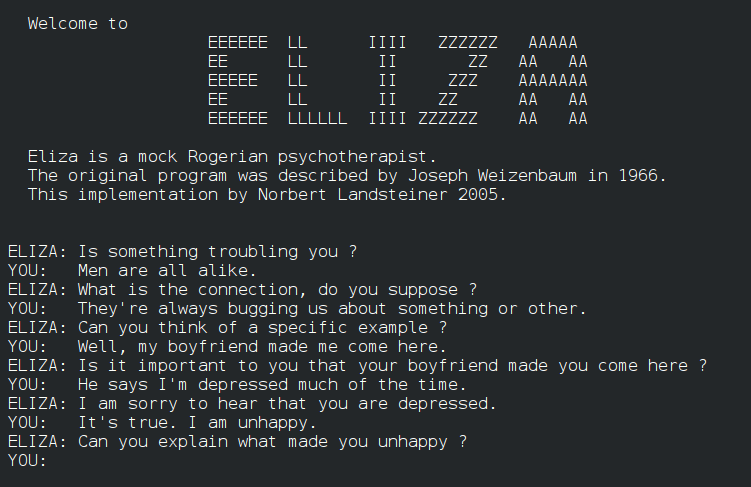
Throughout the 20th century, AI moved from laboratories into practical use. ELIZA (1966) simulated conversation; INTERNIST-1 (1971) assisted internal-medicine diagnosis; industrial robots appeared on assembly lines; and by the 1990s, Deep Blue defeated a world chess champion. In medicine, computer-aided detection systems began reading mammograms and ECGs. Early consumer precursors (simple voice interfaces, medical chatbots) hinted at what was coming. Alan Turing conceptualized the idea of emotional artificial intelligence with his “Imitation Game” in the 1950s, now known as the “Turing Test”. Turing proposed that the real measure of a machine’s intelligence was whether it could successfully convince a human user of its supposed intelligence through conversation without giving away that it’s a machine (Turing).
Despite its simple, mechanically scripted nature, ELIZA famously convinced early users of its intelligence, thereby becoming the first to “pass” the Turing Test, and pundits coined the phrase the “ELIZA effect” to describe the human tendency to project human empathy onto machines. The twenty-first century then produced generative AI — systems that create human-like text, images, and speech (Siri, Alexa, ChatGPT). Medical applications now include IBM Watson for oncology, deep-learning radiology, predictive analytics for sepsis, and autonomous surgical assistance. Modern chatbots and AI systems are now widely accessible and increasingly sophisticated. Some examples are ChatGPT, Gemini, Siri, Alexa, Deepseek, Perplexity, and the list goes on. While AI-mediated conversation may seem like a promising solution to loneliness in older people,

it also poses risks. Character AI is a popular platform founded in 2021, where users can
chat with and create customizable AI chatbots for use cases like entertainment, learning, or creative storytelling. A lawsuit, Garcia v. Character.AI, was filed in 2024, alleging that the platform promoted addictive, inappropriate, and dangerous content to minors, including emotional, romantic, and sexual dependency; harms that could very well translate to other vulnerable populations (“Garcia v. Character Technologies”). This devastating example presses us to consider the implications of non-sentient and non-reliable forms of interaction, and to think about whether we should have similar concerns about incorporating AI-based companionship and care into the healthcare space.
As our society begins to adopt more domestic investments in Agentic AI and their capabilities that go beyond passive command reception, such as the ability to analyze, plan, act and adapt in open environments, the prospects for general medical use are promising (2). From ELIZA’s scripted illusion of empathy to today’s agentic systems capable of independent analysis and action, AI has undergone a transformation that is no longer theoretical in its implications for human life. What the “ELIZA effect” revealed, our deep and sometimes uncritical tendency to project emotional meaning onto machines, serves as a warning that becomes increasingly urgent as AI systems grow sophisticated enough to simulate care. The Garcia v. Character.AI lawsuit demonstrates how populations most susceptible to harm from emotional AI dependency are often those with the least power to protect themselves. While the United States has adopted limited projects working toward implementing AI for medical use, there are international examples that allow for insight into innovation strategies, as well as implementation efficacy.
(2) Agentic AI refers to AI systems that go beyond responding to single prompts, instead taking sequences of actions, making decisions, and using tools to complete longer-horizon tasks with varying degrees of human oversight (Anthropic).
Robotic Applications Internationally:
AI-based tools are being embodied in different forms as tools for caring - in a variety of ways - for older people. Invented by Dr. Takanori Shibata at Japan’s National Institute of Advanced Industrial Science and Technology (AIST) in the 1990s, Paro, a soft, baby harp seal robot, originated as publicly funded research

and was later commercialized through Intelligent System Co., Ltd. in 2004. It was the first of its kind, and contains five types of sensors (tactile, light, audition, temperature, and posture) that allow it to recognize its name, respond to being held, and learn user preferences with the help of AI. Paro is the world's most used therapeutic robot, with over 6,000 units in 30+ countries. It is certified as a Class II medical device by the FDA in the U.S., allowing for insurance reimbursement for prescribed biofeedback therapy to treat anxiety and dementia-related agitation (Shibata).
Later, in 2015, ROBEAR was unveiled as a prototype for “power-intensive” care, by the RIKEN-SRK Collaboration Center, a publicly funded scientific research institute, for Human-Interactive Robot Research in Nagoya (Monterroso). Entailing physical tasks such as lifting patients from beds into wheelchairs or assisting them in standing, ROBEAR features "Smart Rubber" tactile sensors and low-gear-ratio actuators to ensure its touch is gentle enough for human skin. Although development at RIKEN concluded in 2015 when the research center closed, it remains a foundational concept for "Gentle Touch" heavy-lifting robotics. Hyodol, a South Korean plush doll robot, was announced and began development, then was released in 2019. Powered by a ChatGPT-based dialogue system, regional dialects,

motion/biometric sensors, medication reminders, and emergency alerts, the company's mission is rooted in Confucian values of filial piety; the name “Hyodol” literally evokes the idea of caring for elders. The product upholds this idea through combatting loneliness in solo-living seniors, improving medication adherence, detecting falls or unusual activity, and lightening the load on family/caregivers through real-time monitoring and a connected app. In pilot programs by Seoul’s Guro District, results have shown a 27% decrease in depression scores, 43% increase in medication adherence, and 68% improvement in emergency response times (Jung et al.). Over 12,000 units have been deployed across South Korea, mostly to low-income elders via public welfare programs, and the product was recently registered with the FDA, preparing for global launch, with the U.S. targeted in 2026 AIREC has gone through development through 2024 and 2025 under a major public initiative by the Japan Science and Technology Agency (JST), known as the Moonshot initiative, that has a budget of approximately $440 million through 2050 to tackle aging and societal challenges (“Moonshot Research and Development Program”). AIREC is a 150kg humanoid robot designed for "heavy-duty" domestic tasks, like putting on socks, rolling patients onto their side, and even cooking light meals. While it is currently in the prototype and human-testing phase, commercial availability is expected around 2030, with an initial projected cost of $67,000.
Poketomo, a Japanese small companion meerkat robot, is released, marketed on its website as “your one and only friend”, a constant intimate companion for lonely urban residents. Sharp, the developer, aimed to create “empathy intelligence” through short-form conversations, mood tracking, reflections, and a “memory journal” via its camera. It’s still very new, so large-scale clinical trials aren’t available yet, but it’s positioned explicitly as an emotional support tool rather than a utility robot. Poketomo is scheduled for a November 2025 release in Japan. Sharp has built an entire ecosystem around it, including a smartphone app that continues the "memory" of the robot and a manga series to normalize the robot as a "life partner" for lonely urban residents. Nurabot, in contrast to the other more industrial robots, AIREC and ROBEAR, is primarily privately funded through Foxconn (Hon Hai Technology Group) and is designed to offload 30-40% of nursing logistics (Pfadenhauer and Dukat). It carries temperature-sensitive blood bags and specimens, uses biometric security for delivery, and provides hand-wash reminders via its "FoxBrain" language model, overall with implementation more targeted toward broader hospital rollout in 2026. Abi is the closest real-world example of a comprehensive caregiver.
Developed by Andromeda Robotics, a start up led by CEO Grace Brown in 2023, Abi is a colorful humanoid companion robot mimics human expressions, dances, and recognizes individual residents to provide personalized companionship, with its advertising for deployment targeted specifically at aged care and assisted living facilities across Australia. Caregivers participating in trials have reported that Abi generates positive social experiences for both residents and staff (Andromeda Robotics).
The global landscape of geriatric robotics is defined by state-led initiatives in Asia and market-driven models in the West, reflecting divergent priorities regarding the bioethical values of justice and autonomy. In Japan and South Korea, the sector is often characterized by a ‘tech-solutionist’ philosophy, where robotics is viewed as a strategy for maintaining social stability in the face of demographic decline and workforce shortages. This approach prioritizes sustaining the overall care system rather than directly emphasizing individual autonomy or distributive justice. This model relies on heavy public subsidies from agencies like the JST and the Korean government to fund holistic care that integrates both heavy physical lifting and deep emotional AI. In contrast, Taiwan and Australia focus on workforce augmentation, utilizing venture capital and corporate R&D to develop robots that handle logistics and offer language-versatile companionship to support existing human staff. The U.S. currently holds the largest market share (39.77%) in elder care assistive robots, but its approach remains reactive (“Elder Care Assistive Robots Market”). Unlike Japan's 2030 "Moonshot" goals, the U.S. relies on private entities like Intuition Robotics or Toyota to drive innovation. The primary hurdle for the U.S. is not the technology itself, as seen by the FDA certification of PARO, but the insurance reimbursement model. As the U.S. faces a shortage of 151,000 paid caregivers by 2030, the survival of the geriatric care sector may depend on moving from discretionary gadgets to government-backed, integrated robotic infrastructure similar to the "Smart Hospital" models in Taiwan and South Korea ("Key Facts & FAQ").
Ethical Considerations:
Autonomy:
The ethical principle of autonomy refers to the right of a person to make informed decisions about their body, medical treatment, and daily life. Parallel to this is dignity, which is the recognition of an individual’s intrinsic worth, a value that does not diminish with age, cognitive or physical decline, or dependency. In the context of geriatric care, we must ask not only whether robotic integration empowers the elderly to lead self-determined lives, or rather, the opposite, indirectly “manages” them as objects of efficiency, but also whether these technologies fundamentally shape the conditions under which autonomy and dignity are exercised and therefore defined under modern standards. Before exploring these tensions, it is essential to ground these concepts in established ethical theory. Autonomy, often traced to Kantian philosophy, emphasizes rational self-governance and treating persons as ends in themselves, not mere means (Kant 42). Dignity, similarly Kantian, is an absolute value inherent in humanity, but in bioethics, it's expanded through relational lenses, where dignity emerges from social interactions and recognition by others (Nordenfelt 15). In elder care robotics, this means evaluating not just individual control but how robots affect the relational fabric that sustains dignity.

For many Americans, the most basic threat to dignity is the loss of independence. “The American Dream” effectively illustrates the desirability of a self-sustaining lifestyle, but beyond cultural narratives, this ties into capability approaches in ethics, where autonomy is about expanding what individuals can do and be (Sen 74). Robots like AIREC, with their ability to assist in daily tasks without judgment, can substitute mechanical assistance for capabilities lost to frailty. This enhancement of autonomy could also prevent the "institutionalization" effect, where over-reliance on human caregivers leads to learned helplessness, a phenomenon observed in nursing home studies where residents internalize dependency (Rodin and Langer 192). Reducing the burden on family and professional caregivers could allow more energy to be directed toward emotional presence and meaningful interaction. However, critics argue that offloading intimate caregiving tasks to machines may also weaken important interpersonal virtues such as attentiveness, patience, and the willingness to devote effort to the well-being of dependent loved ones. Over time, there is a potential that implementation would give family and caregivers an excuse to further disengage, detach from, and ignore the elderly, ultimately exacerbating concerns from the beginning.
Still, others argue reduced paternalism is key here, as robots execute programming without perceived personal judgement/condescension, allowing for more comfort and control for a patient vulnerable due to their lack of agency or ability to articulate their wants and needs, as well as express authority when they are not being met. This echoes feminist critiques of care, where human caregivers often impose gendered or cultural biases; robots, being neutral, could democratize care by adhering strictly to directions and given tasks, rather than being influenced by a certain bias or opinion that would be imposed on humans (Pires 2). This leads to the question of truly how sturdy these beliefs are and whether new technologies can be relied on in such intimate settings.

Safety and privacy benefits from monitoring increase safety, but this must be balanced against surveillance ethics. Constant data collection could enable predictive care (e.g., fall prevention), enhancing autonomy by preempting crises without invasive human checks. In trials of Hyodol in South Korea, biometric monitoring reduced emergency incidents by 68%, allowing users to live alone longer with confidence (Jung et al.). Robots provide "eyes-off" oversight, preserving the sanctity of private moments that the presence of human aides might intrude upon. Some may claim that data collection harms privacy by potentially disclosing information to unknown recipients. However, ethical designs incorporate user consent and data minimization, per General Data Protection Regulation (GDPR)-inspired frameworks, turning potential harms into autonomy tools if users control data sharing (Ienca et al.). Furthermore, in the digital age there are more and more systems in place for preventative measures including informative measures taken by the companies i.e. a Terms of Service etc. that customers are required to agree to. While these measures may seem viable in theory, some may raise the point that a majority of users overlook the conditions and simply agree; to address this, it is the companies responsibility to create a condensed, yet expandable version or similar provisions to enable readability and true utility. In addition, more legislative measures have been taken such as as the HIPAA Security Rule, newly proposed in December of 2024, to strengthen the cybersecurity of electronic protected health information, an example of new steps toward safer online presence, all of which simply due to the acknowledgement that society will only continue to become more and more immersed and dependent on data storage online.
The ethical case for robotic integration in geriatric care is, in part, an argument for restored autonomy. Robots that assist with daily tasks without judgement, monitor for emergencies without constant human intrusion, and adhere to a patient’s directions (safety supplemented by professional oversight) rather than a caregiver’s biases offer a meaningful expansion of what frail elders can do and be. Yet autonomy is not secured by technology alone. The same surveillance infrastructure that can prevent a fall can also reduce a person to a data point; the same robot that eliminates paternalistic human interaction can also eliminate the relational recognition that makes dignity feel explicit. Autonomy, in this context, is not simply the freedom to live independently, but it is also the freedom to live as a subject, seen and acknowledged by others. Whether robots can honor that distinction is a question that depends as much on design and governance as on capability. This concern over who benefits from technological care, and who is left without it, brings us to the parallel principle of justice.
Justice:
Justice calls for fairness in the distribution of resources and benefits, ensuring equal opportunities in care, and addressing allocation in times of scarcity (Favor). New technology should not disregard the implications of potentially exacerbating existing inequalities. In the

context of care robotics, this principle requires us to ask whether robots will democratize access to quality elder care or merely reinforce existing inequalities. Robots offer a solution, with promising scalability, to the global shortage of human caregivers, aligning with distributive justice principles that prioritize the least advantaged. Projections vary, but credible estimates consistently point to severe shortfalls: one widely cited figure is a national shortage of 151,000 direct-care workers in the U.S. by 2030, rising to 355,000 by 2040 ("Key Facts & FAQ"). Other analyses are even more alarming: LeadingAge projects the U.S. will need 2.5 million additional caregivers in long-term services and supports by 2030 simply to maintain current ratios, while broader OECD estimates suggest a need for 13.5 million new elder-care workers across member countries by 2040 to preserve existing caregiver-to-older-adult ratios. In this environment, robots like Australia’s Abi (already deployed in aged-care facilities) or South Korea’s Hyodol (12,000+ units in community pilots) can fill gaps in rural areas, night shifts, or understaffed homes where human workers simply cannot be present 24/7. This improves access to care across both geography and time, especially in rural areas or during overnight hours when human caregivers may be unavailable.
In the long run, robotic care has the potential to become significantly cheaper and more efficient than human labor through economies of scale. Paro, for example, was initially extremely expensive but has seen global distribution and, in some countries, insurance reimbursement as a Class II medical device. Basic companionship and monitoring options like Poketomo (pocket-sized, lower-cost) already serve as entry-level solutions, potentially establishing a tolerable level of care, accessible to all. Robots also deliver consistency of care that humans struggle to match: they do not experience fatigue, forgetfulness, or distraction.
Research consistently documents racial and ethnic disparities in pain assessment, medication administration, and clinical attentiveness, with minority patients receiving measurably lower-quality care across multiple dimensions of the healthcare system (Hoffman et al.). Because robots execute standardized protocols without the implicit associations that shape human judgment, they carry the potential to deliver a more consistent floor of functional care regardless of a patient's background. This potential is not unconditional: current large language models inherit biases embedded in their training data, and without rigorous algorithmic auditing and intentionally diverse datasets, those biases can be reproduced at scale rather than corrected (Obermeyer et al.). The justice case for robots is therefore not that they are bias-free, but that their biases are legible, auditable, and correctable in ways that implicit human bias often is not.
The justice calculus surrounding care robots is genuinely ambiguous, and that ambiguity is itself a warning. On one hand, scalable robotic systems offer the most credible near-term solution to a caregiver shortage that no amount of workforce recruitment is projected to resolve; in this sense, they serve the least advantaged by expanding access across geography, income level, and time of day. In this way, historically resource-constrained rural areas could receive care through public-welfare programs. On the other hand, without deliberate policy intervention, the same technologies risk entrenching a two-tiered system in which not only the quality, but also the dignity, if at all, of one’s final years is determined by wealth. The evidence from Japan complicated the displacement narrative as Japan’s heavily regulated and publicly subsidized model has demonstrated robots have the potential to complement rather than replace human workers, however it is not the default trajectory of a market-driven American healthcare system. Justice, then, is not a property of the technology itself; it is a property of the institutional decisions that surround its deployment. This leads us to ask not only what robots can do, but what values they carry into the spaces they enter.
Virtues of Care:
Virtue ethics focuses primarily on the moral character of individuals and the cultivation of traits such as compassion, responsibility, and attentiveness. In elder care, the core virtues to consider are compassion, responsibility, authenticity, and human interaction.
Robots can create conditions under which human caregivers are better positioned to act on their capacity for compassion, directing finite time and energy towards the interactions that most require it. Some may argue that this reasoning unwittingly degrades the human workers who remain in manual roles — that framing robotic assistance as a liberation of caregivers from "menial labor" implicitly renders that labor less worthy, and by extension, the people performing it less valuable. However, physical caregiving acts such as lifting, bathing, or sitting with someone through the night are not menial in any morally meaningful sense. When performed by a conscious being who chooses to show up, they carry a relational and dignitary weight that no sorting of tasks into meaningful versus mechanical can capture. Care work has historically been undervalued precisely because it is feminized, physically demanding, and regarded as unskilled, and any framework that sorts caregiving tasks into meaningful versus mechanical risks reinforces that hierarchy rather than dismantling it (Liedo et al. 9). The honest case for robotic assistance therefore cannot rest on the claim that it frees humans for “better” work. Rather, it rests on necessity: a system already in structural collapse, in which human presence is being lost not to robots but to exhaustion and chronic understaffing, leaves the least-bad option as one that absorbs some of that burden mechanically so that any human presence at all remains possible.
It is important to consider the possible reevaluation of responsibility in this sense. The normalization of automating companionship risks teaching society that the elderly are problems to be managed efficiently by machines rather than people to be cherished. This

could uproot our traditional understanding of the familial and societal duty to care for elders personally. When convenience replaces presence, we cultivate a culture of detachment rather than the virtues of patience, reciprocity, and communal obligation. However, the concern that robots erode relational responsibility misreads how moral obligations adapt to structural constraint. When a family member uses a video call to maintain contact with an aging parent across distance, whether that mediation constitutes a genuine exercise of responsibility or a convenient substitute depends entirely on the circumstances surrounding it, the distance involved, the frequency of contact, the intention behind the choice, and whether in-person presence was a realistic alternative. The relevant moral question is not whether the medium is human, but whether the intention is care and whether the technology expands or forecloses the possibility of genuine connection. Autonomous robots, deployed with that intention and within that constraint, then represent the obligation to care, adapted to the conditions under which care is actually possible in our society.
In situations where consistent human companionship is unavailable — such as in understaffed facilities or for individuals living alone — robotic companions mitigate the effects of severe isolation and its measurable health consequences. The risk that vulnerable people form emotional dependencies on machines that cannot reciprocate in a sentient way is real, and the Garcia v. Character.AI case demonstrates how readily that dependency can become harmful, particularly in populations with limited capacity to distinguish simulated care from authentic relationships. What distinguishes the geriatric context, however, is that the harm of emotional bonding with a machine must be weighed against the documented harm of its absence. The harm reduction argument requires that this risk be legible, regulable, and on balance less severe than the alternative; these conditions wholly depend on how deployment is governed. However, this risks eroding the deeply human virtue of authenticity in relationships and fostering a negative culture that favors convenience, in some cases bordering on abandonment. Authentic relationships are characterized by mutual awareness, emotional reciprocity, and the recognition that another person freely chooses to care. Because robots simulate responses without genuine understanding, intention, or empathy, their interactions cannot be classified as a reciprocal moral relationship between two sentient beings. When machine-based companionship becomes normalized as an acceptable substitute, societies lower expectations for engagement and weaken the virtues of not only attentiveness, patience, and communal responsibility when it comes to caring for their elderly population, but also the foundation of human interaction itself.
Virtue ethics does not ask whether care robots produce good outcomes or distribute resources fairly; it asks what kind of people and what kind of society we become when we normalize their use. The answers are neither wholly encouraging nor wholly damning. Robots can promote the conditions for genuine compassion by relieving caregivers of some of the immense physical and emotional load that produces burnout, but only if the human relationships they make space for are actively cultivated, not forsaken. The deepest risk is not that robots will fail to simulate care convincingly; it is that they will succeed well enough to lower our collective threshold for what counts as presence. Authenticity, the recognition that another conscious being freely chooses to attend to you, cannot be engineered, and a society that accepts its simulation may gradually lose both the habit and the expectation of the real thing. Whether that outcome is the inevitable cost of deploying these technologies at scale, or whether it can be avoided through deliberate structural design, is the question a consequentialist framework must now weigh.
Consequentialism:
Consequentialism evaluates actions in terms of the outcomes they produce. This framework is vital to evaluating ethicality in real-world settings because governments and health systems have the responsibility to weigh outcomes and follow the bioethical principle of non-maleficence, “do no harm”. As mentioned above, robots can help save lives through timely interventions (e.g., fall detection, medication reminders) and reduce loneliness/depression. Hyodol pilot studies showed a 45% decrease in high-risk depression scores after six months, alongside improved medication adherence and emergency response (Jung et al. 28). Meta-analyses of studies of social robots (including Paro and similar companions) consistently find moderate-to-large effect sizes in reducing depression and loneliness among long-term care residents. Human caregiver burnout and turnover also decline when robots handle repetitive tasks, improving workforce retention and overall system capacity. At the systems level, care robots may also alleviate pressure on the healthcare workforce. Many countries are already experiencing severe shortages of professional caregivers. In the United States alone, estimates suggest that hundreds of thousands of additional direct-care workers will be needed by 2030 to maintain current staffing levels. Robots designed to handle repetitive or physically demanding tasks — such as transporting supplies, monitoring vital signs, or assisting with patient mobility — could allow human caregivers to focus on more complex medical and interpersonal responsibilities. Evidence from Japanese nursing homes, where robotic technologies are already more widely implemented, suggests that automation may reduce physical strain on workers and lower turnover rates rather than eliminate jobs.
However, consequentialist analysis must also consider potential harms and unintended outcomes, particularly when technologies are adopted at scale. One concern involves labor markets: although some evidence suggests robots can complement human workers, poorly regulated deployment could still lead to the displacement of lower-wage care workers in certain sectors. Another risk involves privacy and data security. Many care robots rely on continuous monitoring systems that collect sensitive health and behavioral data, raising concerns about how this information is stored, shared, and potentially commercialized. There are also broader social consequences to consider. Loss of human connection is a risk not to be considered lightly. Replacing human empathy and compassion with automation could erode what scholars describe as the intersubjective basis of dignity, where recognition from another conscious person affirms one’s moral worth. Human relationships involve reciprocal recognition: each person acknowledges the other as a subject with value. Robots like Paro may simulate recognition through programmed responses, but they lack genuine awareness, raising the concern that such interactions provide only the appearance of mutual care rather than the reality.

Quality of life, per the World Health Organization definition, entails “an individual's perception of their position in life in the context of the culture and value systems in which they live and in relation to their goals, expectations, standards and concerns” (World Health Organization). Philosophically, this definition emphasizes that quality of life is not determined solely by physical health or material conditions, but by an individual’s subjective sense of autonomy, meaning, and participation in the world around them. In the context of elder care, maintaining quality of life therefore involves preserving a person’s ability to exercise agency, make decisions about their daily routines, and sustain a sense of dignity and self-worth. Quality of life is an important indicator to consider on an individual level, but also on a broader scale when it comes to improving living conditions for the domestic population, which falls upon the government to evaluate circumstances that may affect economic factors and increase strain on healthcare systems.
The digital divide is stark. Most advanced therapeutic robots remain expensive: Paro still retails above $6,000 in many markets, and high-end humanoids like AIREC are projected at $67,000. Without subsidies, these costs exclude low-income users and perpetuate access barriers across socio-economic classes, resulting in a two-tier system: the wealthy receive hybrid human–robot care, while the poor are left with minimal human interaction or outdated low-tech options. Widespread adoption could also lead to job displacement among lower-wage care workers. However, real-world evidence from Japan, the most robot-saturated elder-care market, complicates this picture. A 2024 NBER study and related analyses of Japanese nursing homes (using facility-level panel data from 2020–2022) found that robot adoption was associated with increases in total employment, especially among non-regular (part-time, contract) care workers and nurses. Monitoring robots in particular correlated with higher staffing levels, lower turnover, and reallocation of human effort toward “human-touch” tasks. A 10% increase in robot use was linked to roughly 0.24–0.3% employment growth, with retention improving because robots alleviated physical burdens (Lee et al.). Thus, while displacement fears are real in theory, current data suggest robots often complement staff. However, the quality of this employment growth is a concern: the increase was concentrated among part-time and contract workers, who in many labor markets face limited benefits eligibility, reduced job security, and higher turnover, which in turn, could undermine continuity of care for elderly residents. This suggests that robot adoption’s labor impact should be evaluated not only by headcount, but by whether the jobs created are ones that allow workers to build the sustained relationships with residents that quality elder care depends on. These concerns may be further amplified in less-regulated Western markets.
Finally, there is the risk of unequal distribution of risk. The elderly poor may be used as a testing group for less-developed or less-safe robotic technologies, exposing them to greater harm without reaping full benefits. Pilot programs in low-income facilities have sometimes bypassed robust informed consent processes, raising serious justice concerns. International examples illustrate how different policy frameworks may shape these outcomes. In Japan and South Korea, where aging populations and labor shortages are particularly severe, governments have actively funded robotics research and pilot programs to supplement the caregiving workforce. These initiatives are often framed as strategies to maintain national healthcare systems under demographic strain. By contrast, countries where elder care is more heavily privatized may face stronger incentives to adopt automation primarily as a cost-cutting tool. The long-term consequences of robotic care may therefore depend less on the technology itself and more on the regulatory and institutional environments in which it is deployed.
A consequentialist approach ultimately suggests that the ethical evaluation of care robots cannot be separated from questions of policy design. When implemented with strong oversight, transparent data protections, and a commitment to maintaining meaningful human involvement in care, robotic systems may produce substantial benefits by improving safety, expanding access to assistance, and stabilizing strained healthcare infrastructures. Without such safeguards, however, the same technologies could exacerbate inequality, reduce human interaction, and prioritize efficiency over well-being.
Conclusion:
In this paper, we have examined the ethical implications of deploying autonomous care robots in geriatric settings across the United States, tracing the issue through three distinct but interlocking frameworks. The history of geriatric care reveals a system built reactively, each legislative milestone, from the Civil War pension to Medicare, arrived in response to a crisis already underway rather than in anticipation of one. That pattern continues today, as compassion fatigue hollows out a workforce that was never designed to absorb the demands of a Silver Tsunami, and as a loneliness epidemic quietly rivals smoking and obesity as a determinant of mortality among the elderly. Against this backdrop, the international landscape of care robotics does not offer a model to import wholesale, but a mirror: what Japan and South Korea reveal is that the same technology deployed within a publicly subsidized, equity-centered infrastructure — one where robots are distributed to low-income elders through welfare programs, governed by informed consent requirements, and paired with enforceable minimums for human contact — produces measurably different human outcomes than the same technology left to market forces. The ethical question for the United States is therefore whether the institutional conditions required for them to work justly are ones this country is willing to build. Each framework illuminated a different dimension of the same dilemma: that the technology capable of addressing these failures is also capable of deepening them, depending largely on the conditions under which it is introduced.
The case for care robots is, at its core, a harm reduction argument. The realistic alternative to robotic supplementation is a system already in structural collapse, projected to fall short by hundreds of thousands of direct-care workers by 2030, staffed by a workforce experiencing compassion fatigue at rates exceeding 52% (Zhang et al., "Extent" 2; "Key Facts & FAQ"). In that context, refusing robotic integration on principle leaves the people who need care to a system that cannot adequately provide it, and the asymmetry between harmful action and harmful inaction is one of the greatest ethical dilemmas of this paper.
The conditional endorsement here is under the premise that the risks are legible, regulable, and responsive to governance in ways that the slow, structural harm of a collapsing care system is not. The person living alone through the night with no aid available, the dementia patient whose agitation Paro measurably relieves, the nurse whose burnout is accelerated by tasks a robot could absorb; these cases are the real people the current system is harming, and the ones any principled refusal of robotic integration would continue to hurt.
My conclusion is therefore conditional: autonomous care robots can participate ethically in geriatric care, but only within a regulatory framework that positions them explicitly as supplements to human presence, never substitutes for it. For the United States, whose approach remains reactive and market-driven in contrast to the publicly subsidized models of Japan and South Korea, ethical implementation requires the following:
Federal reimbursement pathways must be expanded beyond Paro's narrow FDA classification to cover a tiered range of therapeutic and assistive devices, ensuring access is determined by clinical need rather than personal wealth. Deployment must be governed by informed consent standards robust enough to protect cognitively vulnerable populations, closing the ethical gap exposed by pilot programs that have bypassed this safeguard in low-income facilities. Data collected through robotic monitoring must be subject to GDPR-inspired minimization and user-control requirements, so that the infrastructure protecting patients does not simultaneously commodify them. Most critically, robotic integration must be paired with enforceable minimums for meaningful human contact, standards that define what robots are prohibited from replacing, not merely what they are permitted to perform. Without this last condition, every efficiency gain robots provide becomes an institutional justification for reducing the human presence that makes dignity, in the relational sense, possible.
The animating concern of this paper is not that technology will outpace our humanity; the extent of our humanity, defined by sentience and genuine empathy, is wholly separate from the current capabilities of any technology. The concern of this paper is that we will allow it to excuse us from the effort of practicing our humanity. Care robots, deployed justly and regulated honestly, are not a betrayal of the intergenerational contract that ancient societies understood as foundational to community. They are, potentially, what allows that contract to survive a demographic reality no community bond alone could sustain.
There were several threads I encountered during this research that merit acknowledgment, even where the scope of this paper did not permit their full development. Our moral intuitions diverge sharply when we move between the bookends of human life, and that

divergence exposes an assumption worth examining. The idea of delegating the care of an infant to an autonomous robot strikes most people as immediately and obviously wrong; few parents would require a detailed ethical argument to reject it. Yet the populations are, in several relevant ways, comparable — both are characterized by profound vulnerability, limited capacity for self-advocacy, and near-total dependence on others for physical and emotional sustenance. The resistance we feel toward robotic infant care but not, or at least not with equal force, toward robotic elder care may reflect something troubling: that we unconsciously weight human presence according to the quantity of life remaining rather than its intrinsic worth. If the future is long and promising, we insist on human hands. If it is short, we, consciously or subconsciously, find efficiency more acceptable. This implicit calculus deserves scrutiny. A consequentialist framework might acknowledge future life-years as a legitimate variable in resource allocation; a Kantian framework would reject it categorically, holding that dignity does not diminish with proximity to death. The question of whether the longevity of a person's remaining life should factor into the moral weight we assign to the quality of their care is one this field has not yet answered directly, but one that the expansion of care robotics will eventually force it to confront.
On another train of thought, to examine potential policy for the U.S., it is important to consider the divergence in how nations have approached care robotics. This variation reflects deep cultural disagreements about what aging means and what society owes the aged, as well as perhaps an aversion to adopting comprehensive technology. In Japan and South Korea, robotic elder care has been embraced with relatively limited public resistance, partly because it is framed as an extension of filial piety (Hyodol's very name evokes the Confucian duty of children to honor their parents) and partly because these are high-trust societies accustomed to collective, state-mediated solutions to demographic challenges.
The robot is, culturally, an expression of family devotion. The technology is legible within an existing moral vocabulary, and so its adoption feels continuous rather than disruptive. This discomfort with dependency compounds a broader American ambivalence toward comprehensive technological integration in intimate domains of life. While the United States leads globally in elder care robotics market share, its deployment remains piecemeal and discretionary rather than systemic: a consumer product for those who can afford it, not a public infrastructure for those who need it. To accept a robot into the most vulnerable hours of a person's life is to accept, formally and visibly, that the human network surrounding that person has reached its limit. That admission runs against the grain of a culture that prefers to regard caregiving as a private, familial matter and technological dependence as a last resort rather than a dignified option.
This cultural resistance may make the political will necessary for a publicly funded, equity-centered robotic care infrastructure significantly harder to build domestically than it has been abroad. Any serious proposal for ethical implementation in the U.S. must therefore contend not only with reimbursement models and regulatory frameworks, but with the prior question of whether American culture can be persuaded to regard the care of its elderly as a collective responsibility rather than a private burden, and comprehensive technology as a legitimate vehicle for honoring that responsibility, rather than an admission of its failure. Without that persuasion, the technology will arrive, as it is already arriving, but the justice and intentionality required to deploy it well will not follow.
Works Cited
Administration on Aging (AoA). "2023 Profile of Older Americans." Administration for Community Living, U.S. Department of Health and Human Services, May 2024, acl.gov/sites/default/files/Profile%20of%20OA/ACL_ProfileOlderAmericans2023_508.pdf. Accessed 13 Dec. 2025.
Albert, Steven M et al. "Effect of a Robot Pet Companion on the Mood of Older Adults Receiving Family Caregiver Support: Pilot RCT." The American journal of geriatric psychiatry : official journal of the American Association for Geriatric Psychiatry, S1064-7481(25)00558-5. 12 Dec. 2025, doi:10.1016/j.jagp.2025.12.007
Andromeda Robotics. "Abi — Social Robot for Aged Care." Andromeda Robotics, www.andromedadynamics.com. Accessed 29 May 2026.
Anthropic. "Build Agents." Anthropic Documentation, Anthropic, 2024, docs.anthropic.com/en/docs/build-with-claude/agents.
"Artificial Intelligence, N." Oxford English Dictionary, Oxford UP, December 2023, https://doi.org/10.1093/OED/7359280480.
Banco, Julia et al. "Critical reflections from a transdisciplinary team on deploying an AI-enabled robot in long-term care." Nurse education in practice, vol. 91 104709. 6 Jan. 2026, doi:10.1016/j.nepr.2026.104709
Bomboy, Scott. "Lawsuit Analyzes First Amendment Protection for AI Chatbots in Civil Case." National Constitution Center, 7 May 2025, https://constitutioncenter.org/blog/
Bonsaksen, Tore et al. "Associations between social media use and loneliness in a cross-national population: do motives for social media use matter?." Health psychology and behavioral medicine vol. 11,1 2158089. 1 Jan. 2023, doi:10.1080/21642850.2022.2158089
Caplan, Zoe. "2020 Census: 1 in 6 People in the United States Were 65 and Over." U.S. Census Bureau, 25 May 2023, https://www.census.gov/library/stories/2023/05/2020-census-united-states-older-population-grew.html. Accessed 13 December 2025.
Copeland, B. J. "MYCIN." Encyclopaedia Britannica, Encyclopaedia Britannica, Inc., https://www.britannica.com/technology/MYCIN
Dai, Mei-Ling et al. "From Dogs to Robots: Pet-Assisted Interventions for Depression in Older Adults-A Network Meta-Analysis of Randomized Controlled Trials." Healthcare (Basel, Switzerland) vol. 14,1 38. 23 Dec. 2025, doi:10.3390/healthcare14010038
"Elder Care Assistive Robots Market Size & Share Report, 2033." Grand View Research, https://www.grandviewresearch.com/industry-analysis/elder-care-assistive-robots-market-report
Elsheikh, Ahmed et al. "Exploring fear in human-robot interaction: a scoping review of older adults' experiences with social robots." Frontiers in robotics and AI vol. 12 1626471. 13 Oct. 2025, doi:10.3389/frobt.2025.1626471
Favor, Christi. "Distributive Justice." Stanford Encyclopedia of Philosophy, edited by Edward N. Zalta, Stanford University, 22 Sept. 1996, substantive revision 26 Sept. 2017, plato.stanford.edu/entries/justice-distributive/.
"Garcia v. Character Technologies, Inc." Foundation for Individual Rights and Expression, 23 June 2025, https://www.fire.org/cases/garcia-v-character-technologies-inc
Ghosh, Ritam et al. "Engaging Older Adults and Staff in the Co-Design and Evaluation of Socially Assistive Robot and Virtual Reality Activities for Long-Term Care: User-Centered Study." JMIR aging vol. 8 e75288. 2 Dec. 2025, doi:10.2196/75288
"Historical Background and Development of Social Security." Social Security History, Social Security Administration, https://www.ssa.gov/history/briefhistory3.html. Accessed 29 May 2026.
Hoffman, Kelly M., et al. "Racial Bias in Pain Assessment and Treatment Recommendations." PNAS vol. 113, no. 16, 2016, pp. 4296–4301.
"How Did the Ancient Romans Treat Their Elderly?" UNRV History, https://www.unrv.com/culture/how-did-the-ancient-romans-treat-their-elderly.php
Huang, Rui. "Between intimacy and surveillance: elderly users' adaptation and privacy negotiation in human-robot interaction." Disability and rehabilitation. Assistive technology, 1-20. 27 Sep. 2025, doi:10.1080/17483107.2025.2566379
Hung, Lillian et al. "Reflexive case studies on conducting technology implementation research in long-term care homes." Digital health vol. 11 20552076251354904. 27 Jun. 2025, doi:10.1177/20552076251354904
Hung, Lillian et al. ""It's always happy to see me": Exploring LOVOT robots as companions for older adults." Journal of rehabilitation and assistive technologies engineering vol. 12 20556683251320669. 10 Feb. 2025, doi:10.1177/20556683251320669
Ienca, Marcello, et al. "Ethical Design of Intelligent Assistive Technologies for Dementia: A Descriptive Review." Science and Engineering Ethics, vol. 24, no. 4, 2018, pp. 1035–1055, doi:10.1007/s11948-017-9976-1.
Jecker, Nancy S. "You've got a friend in me: sociable robots for older adults in an age of global pandemics." Ethics and information technology vol. 23,Suppl 1 (2021): 35-43. doi:10.1007/s10676-020-09546-y
Jung, Han Wool et al. "Socially Assistive Robot Hyodol for Depressive Symptoms of Community-Dwelling Older Adults in Medically Underserved Areas: A Preliminary Study."
Journal of clinical medicine vol. 15,1 217. 27 Dec. 2025, doi:10.3390/jcm15010217
Kant, Immanuel. Groundwork of the Metaphysics of Morals. Translated by Mary Gregor, Cambridge UP, 1998.
"Key Facts & FAQ." PHI National, https://www.phinational.org/policy-research/key-facts-faq/
Knutsson, Kurt. "AI nursing robot Nurabot helps Taiwan hospitals combat global healthcare shortage." Fox News, 4 June 2025, https://www.foxnews.com/tech/ai-robots-help-nurses-beat-burnout-transform-hospital-care. Accessed 13 December 2025.
Langer, Ellen J., and Judith Rodin. "The Effects of Choice and Enhanced Personal Responsibility for the Aged." Journal of Personality and Social Psychology, vol. 34, no. 2, 1976, pp. 191–198.
Lee, Kayoung et al. "Perspectives on artificial intelligence-enabled socially assistive robots in long-term care: Experiences with LOVOT among people with dementia and family caregivers." Digital health vol. 11 20552076251393299. 7 Nov. 2025, doi:10.1177/20552076251393299
Lee, Yun Hsuan et al. "Health Care Professionals' Perspectives of Socially Assistive Robots in Health Care Settings: Systematic Review." Journal of medical Internet research vol. 27 e79634. 9 Oct. 2025, doi:10.2196/79634
Lee, Yong Suk, et al. "Robots and Labor in Nursing Homes." National Bureau of Economic Research, Working Paper no. 33116, Nov. 2024, https://www.nber.org/system/files/working_papers/w33116/w33116.pdf
Leung, Angela Y M et al. "Exploring the Presence of Humanoid Social Robots at Home and Capturing Human-Robot Interactions with Older Adults: Experiences from Four Case Studies." Healthcare (Basel, Switzerland) vol. 11,1 39. 22 Dec. 2022, doi:10.3390/healthcare11010039
Liedo, Belen. "Navigating autonomy, privacy, and ageism in robot home care with aged users: A preliminary analysis of ROB-IN." Bioethics vol. 39,5 (2025): 448-455. doi:10.1111/bioe.13340
Liedo, Belén et al. "Emotional Labor and the Problem of Exploitation in Roboticized Care Practices: Enriching the Framework of Care Centred Value Sensitive Design." Science and engineering ethics vol. 30,5 42. 11 Sep. 2024, doi:10.1007/s11948-024-00511-2
Masala, Giovanni Luca, and Ioanna Giorgi. "Artificial Intelligence and Assistive Robotics in Healthcare Services: Applications in Silver Care." International journal of environmental research and public health vol. 22,5 781. 14 May. 2025, doi:10.3390/ijerph22050781
Mazuz, Keren, and Ryuji Yamazaki. "Developing an effective care model to empower caregivers to use a humanoid companion robot: an exploratory qualitative study." Frontiers in public health vol. 13 1658136. 6 Jan. 2026, doi:10.3389/fpubh.2025.1658136
Melkas, Helinä et al. "Sustainability of Digital Home Care and Health Care Services in 2 Case Studies in Finland: Combined Climate and Social Impact Assessment." JMIR rehabilitation and assistive technologies vol. 12 e71379. 8 Oct. 2025, doi:10.2196/71379
Mihailov, Emilian, and Tenzin Wangmo. "Does Humanness Matter? An Ethical Evaluation of Sharing Care Work with Social Robots." Science and engineering ethics vol. 31,4 20. 28 Jul. 2025, doi:10.1007/s11948-025-00547-y
Mlakar, Izidor et al. "A randomized pilot study evaluating socially assistive robot effects on patient engagement and care quality." NPJ digital medicine vol. 8,1 738. 2 Dec. 2025, doi:10.1038/s41746-025-02117-9
Mohr, David C et al. "Burnout Trends Among US Health Care Workers." JAMA network open vol. 8,4 e255954. 1 Apr. 2025, doi:10.1001/jamanetworkopen.2025.5954
Monterroso, Kelly. "Service Robots Are Coming to Help Us." Phys.org, 9 June 2016, https://phys.org/news/2015-02-robot-nursing.html
"Moonshot Research and Development Program." Cabinet Office, Government of Japan, https://www8.cao.go.jp/cstp/english/moonshot/top.html
Morales Barroso, José Edgardo. "The Dartmouth Conference (1956): The Big Bang of AI." Open Digital AI, https://opendigitalai.org/en/the-dartmouth-conference-1956-the-big-bang-of-ai/
National Academies of Sciences, Engineering, and Medicine. Social Isolation and Loneliness in Older Adults: Opportunities for the Health, Education, Food, and Housing Sectors.
National Academies Press, 2020, doi:10.17226/25663.
Nordenfelt, Lennart. Dignity in Care for Older People. Wiley-Blackwell, 2009.
Obermeyer, Ziad, et al. "Dissecting Racial Bias in an Algorithm Used to Manage the Health of Populations." Science vol. 366, no. 6464, 2019, pp. 447–453.
Office for Civil Rights (OCR). "HIPAA Security Rule Notice of Proposed Rulemaking to Strengthen Cybersecurity for Electronic Protected Health Information." HHS.gov, U.S. Department of Health and Human Services, 27 Dec. 2024, www.hhs.gov/hipaa/for-professionals/security/hipaa-security-rule-nprm/factsheet/index.html.
"Older Adults Outnumber Children in 11 States, Nearly Half of Counties." U.S. Census Bureau, 26 June 2025, https://www.census.gov/newsroom/press-releases/2025/older-adults-outnumber-children.html. Accessed 13 December 2025.
Pfadenhauer, Michael, and Christoph Dukat. "Robot Caregiver or Robot-Supported Caregiving?" International Journal of Social Robotics, vol. 7, 2015, pp. 393–406.
Pires, Maria Raquel Gomes Maia, and Rebeca Nunes Guedes de Oliveira. "Caring to deny, confront, shiver: negativity as a critique of the "natural caregiver" stereotype in nursing." Revista da Escola de Enfermagem da U S P vol. 57 e20230129. 30 Oct. 2023, doi:10.1590/1980-220X-REEUSP-2023-0129en
Pirni, Alberto et al. "Robot Care Ethics Between Autonomy and Vulnerability: Coupling Principles and Practices in Autonomous Systems for Care." Frontiers in robotics and AI vol. 8 654298. 16 Jun. 2021, doi:10.3389/frobt.2021.654298
Sandoe, P. "Quality of life--three competing views." Ethical theory and moral practice : an international forum vol. 2,1 (1999): 11-23.
Sen, Amartya. Development as Freedom. Alfred A. Knopf, 1999. Kuangalia Blog, https://kuangaliablog.wordpress.com/wp-content/uploads/2017/07/amartya_kumar
_sen_development_as_freedombookfi.pdf. Accessed 29 May 2026.
Shibata, Takanori. "PARO as a Biofeedback Medical Device for Mental Health."
Sustainability, vol. 13, no. 20, 2021, article 11502, https://doi.org/10.3390/su132011502
Simmerlein, Jonas, and Max Tretter. "What about spiritual needs? Care robotics and spiritual care." Frontiers in robotics and AI vol. 11 1455133. 17 Dec. 2024, doi:10.3389/frobt.2024.1455133
"Social Security Act of 1935." Social Security Administration, https://www.ssa.gov/history/35act.html
Tana, Claudio et al. "Smart aging: integrating AI into elderly healthcare." BMC geriatrics vol. 25,1 1024. 15 Dec. 2025, doi:10.1186/s12877-025-06723-w
Tanioka, Tetsuya et al. "Development Issues of Healthcare Robots: Compassionate Communication for Older Adults with Dementia." International journal of environmental research and public health vol. 18,9 4538. 24 Apr. 2021, doi:10.3390/ijerph18094538
Turing, Alan M. "Computing Machinery and Intelligence." Mind, vol. 59, no. 236, 1950, pp. 433–460.
Wong, Karen Lok Yi et al. "Adoption of Artificial Intelligence-Enabled Robots in Long-Term Care Homes by Health Care Providers: Scoping Review." JMIR aging vol. 7 e55257. 27 Aug. 2024, doi:10.2196/55257
World Health Organization. "WHOQOL: Measuring Quality of Life." WHO, www.who.int/tools/whoqol.
Zhang, Jie et al. "Clinical nurses' compassion fatigue psychological experience process: a constructivist grounded theory study." BMC nursing vol. 22,1 487. 19 Dec. 2023, doi:10.1186/s12912-023-01665-3
Zhang, YY, et al. "Extent of Compassion Satisfaction, Compassion Fatigue and Burnout in Nursing: A Meta-Analysis." Journal of Nursing Administration & Management, vol. 26, no. 7, 2018, pp. 810–9, doi:10.1111/jonm.12589.


Comments